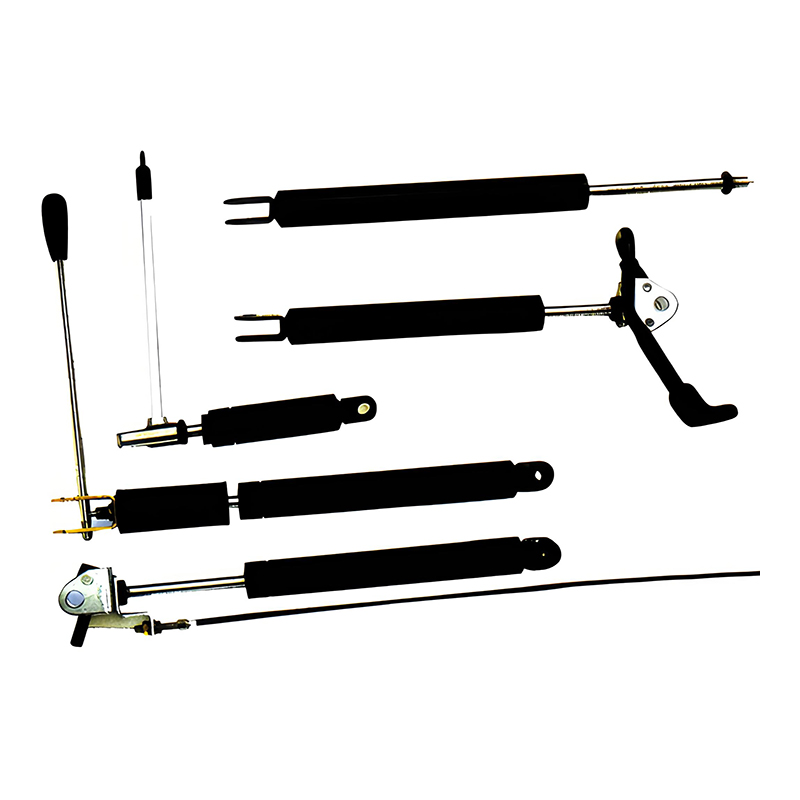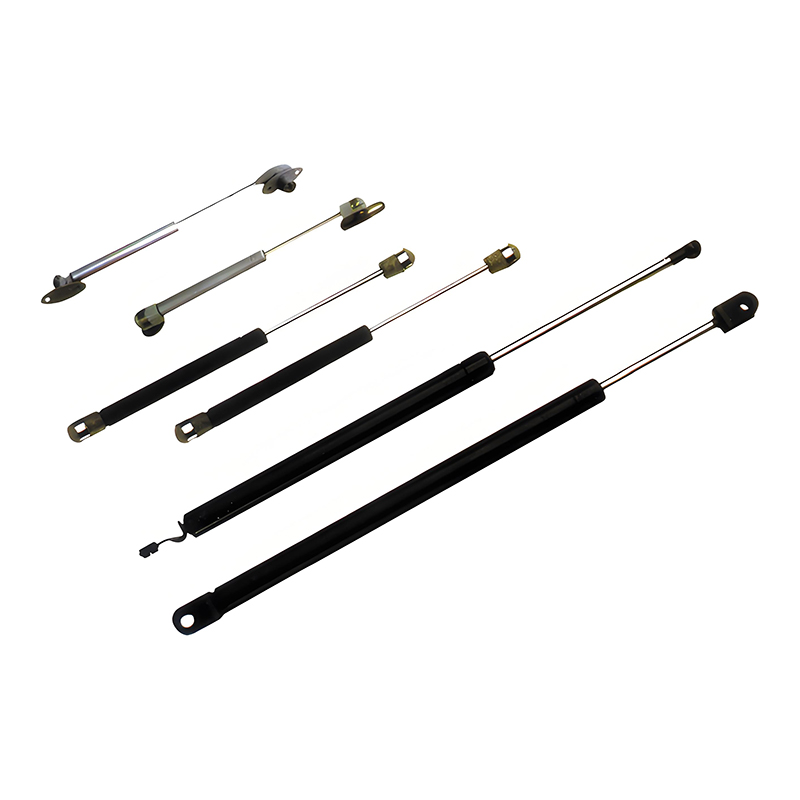
Most gas springs do one thing well: they hold a position. Push them down, and they push back. Release them, and they stay wherever you left them. That works fine for tailgates and cabinet lids. But for equipment that needs to reset itself — office chairs, medical stools, height-adjustable platforms — a static hold creates a real problem. Every user leaves the setup wrong for the next person.
That is exactly the gap that automatic spring lift gas struts with auto-return are built to close. They combine the smooth, controlled motion of a conventional gas spring with an integrated return mechanism that brings the system back to a default position the moment it is unloaded — no manual reset required.
The Mechanics Behind Auto-Return
A standard gas strut operates as a sealed cylinder filled with compressed nitrogen. When the piston rod is pushed inward, the available gas volume shrinks, pressure rises, and the strut stores energy. The moment load is removed, that stored pressure drives the rod back outward. This extension force is what lifts a hood or holds a lid open.
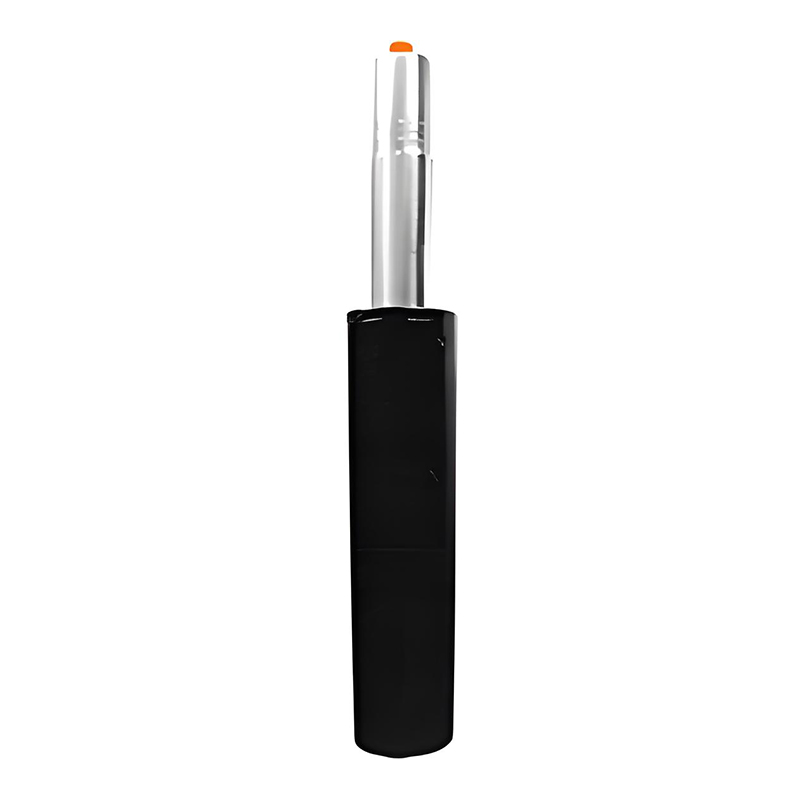
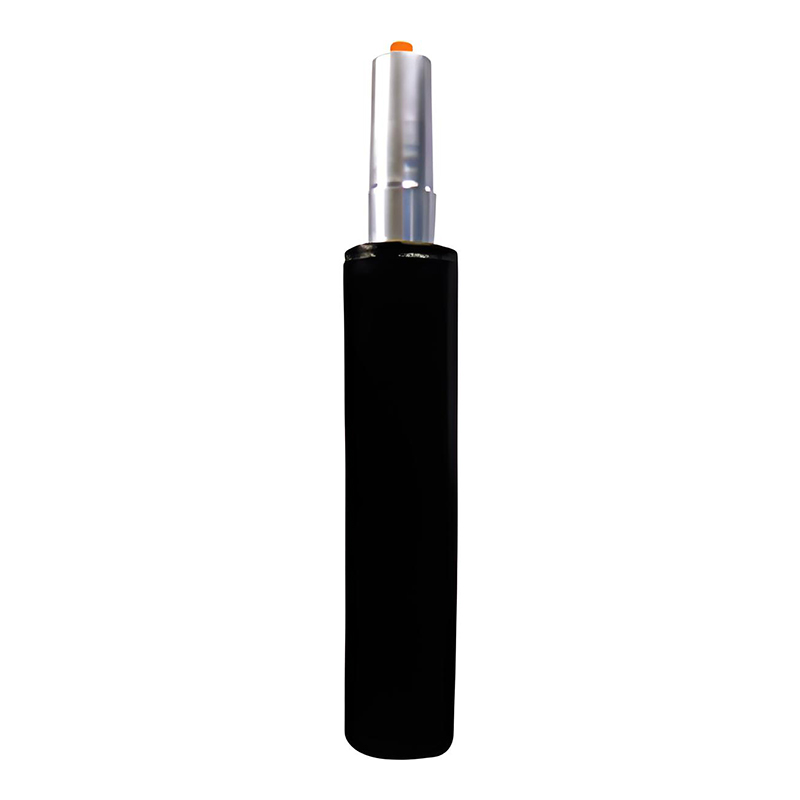
An automatic spring lift gas strut adds a second layer to this system. The internal architecture includes a return spindle — a calibrated mechanical element that works alongside the nitrogen charge to enforce a specific resting position. Rather than simply extending to full stroke, the strut returns to a pre-set default height. The 360-degree swivel capability built into many designs means that rotational displacement is corrected simultaneously: the seat or platform can rotate freely during use, then snap back to the original facing direction once the user steps away.
The result is a component that actively manages both height and orientation rather than passively holding whatever position it was last left in.
Auto-Return vs. Standard Gas Struts: What Actually Changes
The practical differences become clear when you map them against real-world use cases.
| Feature | Standard Gas Strut | Auto-Return Gas Strut |
|---|---|---|
| Position after use | Stays wherever last set | Returns to default automatically |
| Swivel reset | Manual | Automatic on vacancy |
| Height adjustment | User-controlled, retained | Resets to base height when unoccupied |
| Shared-use environments | Requires re-adjustment per user | Ready for next user immediately |
| Damping behavior | Standard end-position damping | Cushioned return stroke, controlled deceleration |
For equipment used by a single person, a standard support gas spring is often sufficient. The auto-return variant earns its place wherever multiple users share the same equipment, or wherever a consistent ready-state is operationally important.
Where These Struts Are Used
Office seating is the most visible application. Shared workstations, collaborative hubs, and hot-desking setups all benefit from a chair that resets to a neutral position between users. The strut handles both the height return and the rotational reset, so the next person sits down to a standard starting point rather than someone else's ergonomic configuration.
Medical and clinical environments place even stricter demands on equipment readiness. Examination stools, procedural chairs, and patient-transfer seats must be positioned consistently before each use. An auto-return strut eliminates a step from clinical workflow — the equipment is simply ready.
Industrial and laboratory settings add a third category: workstations where operator posture changes frequently throughout a shift. Height-adjustable assembly platforms and laboratory stools that serve multiple technicians gain measurable efficiency from automatic reset, reducing the friction of transitioning between users or tasks.
For a broader view of how these components integrate across sectors, the industries served by gas spring technology extend well beyond seating — from automotive trim panels to furniture with integrated motion systems.
The Engineering Case for Cushioned Return
Auto-return introduces a dynamic that standard struts do not face: a loaded return stroke. When a conventional strut extends, it moves slowly and controllably because it is working against gravity or a counterbalancing load. An auto-return strut must retract without that natural resistance — which means the cushioning design matters considerably.
Precision nitrogen pressure combined with hydraulic damping elements controls the return velocity. The strut decelerates as it approaches the default position, preventing the kind of abrupt stop that stresses mounting hardware and joints. This end-position damping is what separates a well-engineered auto-return strut from a mechanism that simply snaps back. Furniture-grade applications are particularly sensitive to this: a return stroke that slams produces noise, wear, and potential damage to surrounding materials.
Temperature stability is a related engineering consideration. The force output of a nitrogen-charged strut changes with ambient temperature — typically increasing in cold environments and decreasing in heat. High-quality auto-return designs account for this through careful gas charge calibration, ensuring that the return force remains consistent across the operating temperature range of the intended application.
Selecting the Right Auto-Return Configuration
Several parameters define whether a given auto-return strut suits a specific application:
- Stroke length determines the range of height adjustment available before the return mechanism engages. Shorter strokes suit fixed-height resets; longer strokes allow more adjustment range while still returning to a defined base.
- Return force must be calibrated against the weight of the seat or platform being returned. Too light and the strut won't return reliably; too heavy and the return is abrupt.
- Swivel range specifies how far the unit can rotate. Full 360-degree swivel suits open-plan environments; restricted rotation suits applications where orientation matters.
- Load capacity sets the maximum weight the strut supports during normal use — a figure that must account for both dynamic loads (users in motion) and static loads (sustained weight).
For applications that require a different kind of position control — holding at any point in the stroke rather than returning to a default — a lockable gas spring that holds any set position securely may be the better fit. Understanding which motion behavior the application actually requires is the starting point for the right component selection.
When the requirement is specifically auto-return without the height-adjustment feature, a dedicated auto-return gas spring designed for rotational reset applications offers a more focused solution.
Quality Markers Worth Verifying
Not all auto-return struts perform equally. The gas charge purity matters: nitrogen at high purity maintains stable pressure behavior across temperature changes and long service intervals. Cylinder wall thickness determines resistance to pressure fatigue over thousands of cycles. Surface treatment — whether chrome plating, zinc coating, or stainless steel construction — governs corrosion resistance in demanding environments.
Certification standards provide an external reference point. TÜV certification against European safety standards and BIFMA compliance for office furniture applications both signal that a strut has been tested against defined performance thresholds. For procurement teams evaluating suppliers, these certifications reduce the risk of selecting a component that performs adequately in initial testing but degrades prematurely in service.
For shared-use equipment in professional settings, the service life expectation should be framed in cycles rather than years. A high-quality auto-return gas strut is typically rated for tens of thousands of full actuation cycles — which, in a busy office or clinical environment, translates to many years of reliable operation. The cushioning performance and return consistency should remain stable across that full service interval, not just at commissioning.
For further reading on related seating components and how different gas spring types perform in office chair applications, the guide to locking and adjustable gas springs for office seating covers the selection criteria in detail.